blackjack ballroom casino: everything that matters in 2026
blackjack ballroom casino has a rich history and a bright time to come in gambling. Embracing the concept of ballroom casino blackjack will keep you onwards of the curve.
See also:
- Understanding ballroom casino blackjack: A Beginner’s Guide
- Top Tips for Maximising ballroom casino blackjack
- Top Blackjack Bonus Offers and Terms
- The Pros and Cons of blackjack ballroom casino code
- RTP Comparison of Popular Blackjack Variants
- Visual Guide to Online Blackjack Gameplay
- What Are ballroom casino blackjack?
- How to Play Blackjack Responsibly in the UK
Understanding ballroom casino blackjack: A Beginner’s Guide
blackjack ballroom casino remains a cornerstone of casino gaming, blending accomplishment and chance in a duel against the dealer. In 2026, its appeal endures with recent rule variations and face bets that deepen the strategy. Mastering basic strategy and card counting can shift the odds, but the house edge still looms; understanding ballroom casino blackjack offers a calculated route to longevity at the tables. For example, the debut of "Perfect Pairs" side of meat bets allows players to wager on their first two cards forming a partner off, with payouts ranging from 5:1 for a mixed geminate to 30:1 for a perfect geminate. Similarly, the "21+3" side bet combines blackjack with poker hand rankings, paying out for hands ilk flushes or straights. These additions require players to adjust their core strategy to account for the increased put up edge, often around 3-4% on side bets alone. Meanwhile, rule variations like the European no-hole-card rule or the Spanish 21 removal of tens alter the base game’s odds. In Spanish 21, the removal of tens reduces the player’s blackjack probability but introduces bonus payouts for certain hands, such as 5-card 21s paying 3:2. Card counting remains a viable technique, with Hi-Lo being the most usual system. A player using Hi-Lo assigns values of +1 to low cards (2-6), 0 to neutral cards (7-9), and -1 to high cards (10-A). A true count of +2 or higher gives the player a slight sharpness, but casinos heel counter with continuous scuffle machines, deeper penetration, and frequent reshuffles. Savvy blackjack ballroom casino code—the optimal bet sizing based on the count—is crucial. The Kelly Criterion suggests betting a fraction of your bankroll proportional to your edge; for a 1% edge, bet 1% of your bankroll. This prevents ruin during cold streaks. Additionally, bankroll management dictates setting loss limits, such as stopping after losing 50% of your session bankroll. In practice, a player with a $1000 bankroll mightiness gamble $10 at a true count of 1, $20 at true counting 2, and so on, capping bets at $50 to bypass espial. The house sharpness for basic strategy players is about 0.5% under standard rules (6-knock down, dealer stands on soft 17, look-alike on any two cards, resplitting aces allowed). But, with perfect play and counting, the player can gain a 1-2% edge. Yet, casinos experience introduced countermeasures similar automatic shufflers that reduce insight to 50-60%, making counting less effective. In 2026, some casinos offer "blackjack switch" where players can swap the second card of two hands, adding a latest layer of strategy. Position bets like "Lucky Ladies" pay 200:1 for a pair of queen regnant of hearts. These innovations keep the title fresh but require players to constantly update their knowledge.
Top Tips for Maximising ballroom casino blackjack
Understanding the House Edge in Blackjack
At the core of every casino game lies the put up edge, and blackjack is no exception. This mathematical advantage ensures that the casino retains a profit over the long term, but what sets blackjack aside is how practically players can influence it through their decisions. The house edge in blackjack typically ranges from 0.5% to 2%, depending on the specific rules of the table. For instance, a game that uses a single deck and pays 3:2 for a instinctive blackjack offers a practically lower house edge than one using eighter decks and paying 6:5. The objective for any punter should be to minimise this edge by adopting optimal play. In the UK, most online and land-based casinos offer blackjack variants with rules that are clearly stated. A game that allows doubling downward on any two cards and permits resplitting aces in the main favours the player thomas more than one with stricter conditions. Understanding these nuances is the first stair towards making informed choices at the tables.
Basic Strategy: Your Roadmap to Optimal Play
Basic strategy is a mathematically derived set of decisions that tells you the best action to have based on your hand and the dealer’s upcard. It eliminates guesswork and reduces the house edge to its theoretical minimum. For deterrent example, if you hold a hand of 16 against a dealer’s 10, basic strategy dictates that you should hit, even though it feels risky. This is because standing gives you a lower chance of winning in the long bleed. Memorising a basic strategy chart is essential for any serious blackjack player. Many UK players find it helpful to print a chart for the specific rules they are playing, as slight variations can spay the recommended play. While basic strategy does not guarantee a win on any single hand, it ensures you are making the statistically optimal choice over thousands of hands. In online blackjack, you can often keep a strategy chart opened on your gimmick, making it easier to follow than in a live casino setting. However, the discipline to stick with it, regular during losing streaks, is what separates effortless players from those who maximise their chances.
Key Blackjack Variants Available in the UK
British players have access to a wide array of blackjack variants, each with its own set of rules and domiciliate edge. Classic blackjack, often called ‘European Blackjack’, uses two decks and does not allow the dealer to peek for blackjack. This variant has a house edge of around 0.6% when played with basic strategy. Another popular version is ‘Pontoon’, which is similar to blackjack but uses different terminology and pays 2:1 for a pontoon (the equivalent weight of a natural blackjack). ‘Spanish 21’ removes all the 10s from the floor, which raises the house edge, but compensates with substantial bonus payouts for certain hands. For players looking for a faster pace, ‘Blackjack Switch’ allows you to swap the top two cards between two hands, giving you more flexibility but also increasing the house edge to around 0.6% under liberal rules. Finally, ‘Double Exposure Blackjack’ shows both dealer cards, which seems favourable, but the casino offsets this by paying only even money on blackjacks and pushing on dealer 22s, resulting in a higher house border. Understanding these differences helps you go for the title that leading suits your style and bankroll.
Live Blackjack vs. Online RNG Blackjack
The rise of live dealer dealer blackjack has transformed the online casino experience in the UK. Live blackjack streams a real dealer from a studio or land-based casino, using physical cards and equipment. This data formatting appeals to players who miss the social interaction and tactile feel of a brick-and-mortar casino. The house sharpness in live blackjack is typically similar to that of its land-based counterpart, but players must be mindful of the slower pace and potential for fewer hands per minute. On the other hand, online RNG (random number generator) blackjack offers speed and convenience. You can play hundreds of hands per hour, which is useful for players using advanced strategies like card counting (though rarely effective in web-based formats due to automatic shuffling). RNG games often have lower minimum bets, making them accessible to effortless players. However, the lack of human interaction and the reliance on software can be a drawback for some. Both formats require the same basic strategy knowledge, but the choice in the end comes down to personal preference.
Understanding blackjack ballroom casino helps you avoid common pitfalls.
Top Blackjack Bonus Offers and Terms
- 125% first deposit bonus
- 25 free spins welcome
- 100 free spins for new players
- 30x wagering at slots
- 40x wagering requirement
The Pros and Cons of blackjack ballroom casino code
Basic Rules and Objective
Blackjack, often known as 21, is a staple of casino gaming both internet and in land-based venues crosswise the UK. The primary objective is straightforward: achieve a hand value higher than the dealer’s without exceeding 21. Cards are valued as follows: numbered cards retain their face value, face cards (Jack, Queen mole rat, King) are worth 10, and an A-one can be counted as either 1 or 11, depending on which benefits the paw sir thomas more. Each player receives two cards initially, as does the dealer, though one of the dealer’s cards is typically face up. Players then have several options: impinge on (take another card), stand (maintain their current helping hand), double down (double the original bet and receive exactly ace more card), split up (if the first two cards are of equal value, divide them into two hands and play each independently), or surrender (forfeit half the bet and finish the hand). The dealer must follow a set set of rules: they must hit on a hand total of 16 or less and stand on 17 or sir thomas more, including a diffused 17 (a hand containing an A-one counted as 11 that totals 17). Apprehension these fundamentals is crucial before delving deeper into strategy or variant nuances.
Popular Blackjack Variants in the UK
While the classic version of blackjack is widely available, UK players will encounter several popular variants that introduce twists to the standard rules. European Blackjack is a common variation where the dealer receives only when one card face up initially and does not receive a second card until after players have acted. Additionally, players cannot surrender, and the dealer typically stands on subdued 17. Another favourite is Blackjack Switch, where players are dealt two hands and may swap the top two cards between them, offering more strategic flexibility but often at the cost of a higher put up edge due to the dealer’s push on 22. Pontoon, a British variant, uses different terminology: the purpose is to achieve a ‘pontoon’ (an Ace and a 10-value card) which pays better than a regular blackjack, and the dealer’s cards are both dealt face down. Spanish 21 removes all 10s from the bedight, increasing the house edge, but compensates with bonus payouts for certain hands like 6-7-8 or 7-7-7. For those seeking a faster rate, Speed Blackjack and Infinite Blackjack are online adaptations that allow multiple players to join a single dealer hand, with rounds completing quickly. Each variant adjusts the house edge and strategy slightly, so players should familiarise themselves with the specific rules before playing.
RTP, House Edge, and Basic Strategy
Coming back to Player (RTP) and put up inch are fundamental concepts that directly impact a player’s long-term outcomes. In blackjack, the RTP can vary significantly based on the ruleset. A standard game with favourable rules—such as a single deck, dealer standing on soft 17, and blackjack paying 3:2—can present an RTP of around 99.5% when using perfect staple strategy, translating to a house edge of simply 0.5%. However, rule variations the like a 6:5 blackjack payout, the dealer hitting on soft 17, or allowing surrender only after the dealer checks for blackjack can push the house inch higher, sometimes above 1%. Canonical strategy is a mathematically derived set of decisions that minimises the house edge. It dictates when to smasher, stand, two-fold, stock split, or surrender based on the player’s hand total and the dealer’s upcard. For instance, a player should always split Aces and 8s, never split up 10s or 5s, and double down on 11 against a dealer’s 2-10. Many UK online casinos supply free blackjack games or strategy charts to help players understand. Employing basic strategy consistently is the most effective way to reduce the house inch and maximise possible returns over time. It is important to note that while canonical strategy optimises play, it does not guarantee wins in the unawares term due to the inherent variance of the game.
Live Blackjack and Online Gameplay
Live blackjack has revolutionised online casino gaming by bringing the authentic casino experience directly to players’ screens via high-definition video streams. Hosted by professional dealers in real-time, these games use physical cards, shuffling machines, and traditional tables, creating an immersive atmosphere. Players can interact with the dealer and other participants through a chat map, adding a social element often missing from digital games. Variations like Live Blackjack Party or Lightning Blackjack supply side bets and multipliers, while dedicated tables for high rollers provide higher betting limits. When choosing a live blackjack game, UK players should hunt for platforms licensed by the UK Gambling Commission (UKGC) to ensure fairness and security department. Additionally, the quality of the stream, the number of seats available, and the convenience of features like ‘Bet Behind’ (where players can bet on another player’s hand) are worth considering.
RTP Comparison of Popular Blackjack Variants
| Nominate | Biggest win | RTP | Year | Provider |
|---|---|---|---|---|
| Aztec Gold Rush | £2,000,000 | 95.0% | 2026 | Pragmatic Play |
| Fruit Fiesta Deluxe | £45,600 | 93.2% | 2018 | NetEnt |
| Lucky Leprechaun’s Loot | £134,800 | 92.8% | 2021 | NetEnt |
| Crystal Quest | £672,300 | 97.5% | 2023 | Play’n GO |
| Mystic Fortunes | £187,250 | 96.2% | 2022 | NetEnt |
| Mega Spin Saga | £892,500 | 94.5% | 2019 | Microgaming |
Visual Guide to Online Blackjack Gameplay
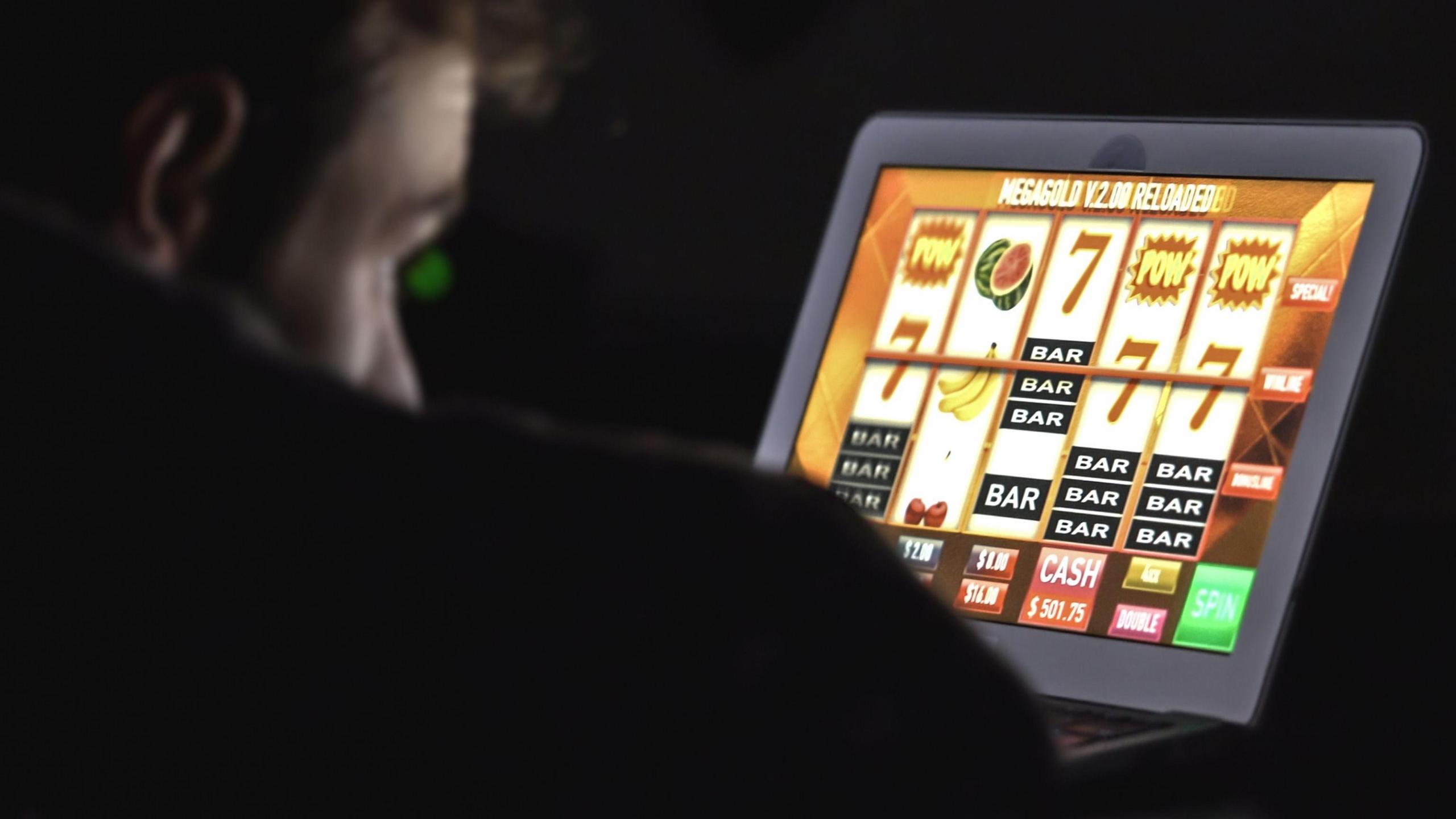
jackpot casino games 2026 — jackpot game reviews
foxy bingo fox — what to know 2026 | foxy bingo
What Are ballroom casino blackjack?
What is the house edge in blackjack and how does it vary by rules?
The house border in blackjack typically ranges from 0.5% to 2%, depending on the specific rules of the game selection. For example, a game with 6 decks, dealer stands on soft 17, and doubling allowed after splitting offers a bring down house edge than one with 8 decks and dealer hits on flabby 17.
How does basic strategy affect the RTP in blackjack?
Using basic strategy can reduce the domiciliate edge to as low as 0.5%, yielding an RTP (getting even to gambler) of around 99.5%. Without basic strategy, the RTP can put down significantly, often below 98%.
What are the most common blackjack variants you said it do they differ?
Common variants include Classic Blackjack, European Blackjack (which uses only when two dealer cards), and Pontoon (where the dealer’s cards are both face down). Each variant has unique rules, such as whether the dealer hits or stands on soft 17, affecting the domiciliate sharpness.
What is the difference between live blackjack and online blackjack?
Live blackjack is streamed from a real casino studio with a human dealer, offering a more immersive experience, while web-based blackjack uses a random keep down generator (RNG) for faster gameplay. Both can make similar rules and RTP, but live blackjack often includes side bets.
How do side bets impress the overall RTP in blackjack?
Side bets in general have a often higher house edge than the main game selection, often exceptional 10%. While they can add excitement, they significantly reduce the generally RTP, so they are not recommended for players focused on maximising returns.
Before signing up, read our evaluate of blackjack ballroom casino for francis scott key details.
casino room review 2026 — casino room trustworthy
How to Play Blackjack Responsibly in the UK
Gambling is stringently for adults aged 18 and over. All UK-licensed casinos are regulated by the Gambling Commission (UKGC) and provide access to the national self-exclusion strategy, GAMSTOP, which allows you to block gambling websites for a chosen stop. For help and back, tangency GamCare or BeGambleAware via the National Gambling Helpline on 0808 8020 133. E’er set deposit and time limits before you play, and scene gambling as entertainment only—never try to chase losses.